
Visit Every Sacred Site in Comfort — Guided by a Knowledgeable Local Driver
AT A GLANCE
| City: Makkah Al-Mukarramah, Saudi Arabia |
| Entry: Muslims only — Umrah/Hajj visa or Saudi Iqama required |
| Best Time for Ziyarat: Early morning after Fajr or after Isha — cooler and less crowded |
| Recommended Duration: Full-day Ziyarat tour: 6 to 8 hours with a driver |
| Why Hire a Driver: Holy sites are spread across Makkah — a driver saves time, avoids parking stress, and ensures you miss nothing |
Introduction
Makkah Al-Mukarramah is the holiest city on earth for Muslims. Every year, millions of pilgrims and Umrah visitors arrive from all corners of the world to perform Tawaf, offer prayers at Masjid al-Haram, and visit the sacred sites that hold centuries of Islamic history. But many travelers do not realize just how spread out these Ziyarat sites actually are.
The blessed Cave of Hira is up a steep mountain. Masjid al-Jinn is tucked away in a busy neighbourhood. The plains of Mina, Muzdalifah, and Arafat stretch across a wide valley. Navigating all of this on foot or using unreliable transport is exhausting — and worse, you risk missing important sites altogether.
That is exactly why hiring a private car with driver for your Makkah Ziyarat tour is the smartest decision you can make. A knowledgeable local driver takes you directly to each site, waits while you pray and explore, and ensures you cover everything comfortably within a single day. At GH Trips, we specialise in reliable and comfortable transport for pilgrims and Ziyarat visitors across Saudi Arabia and the UAE.
Why You Should Hire a Driver for Ziyarat in Makkah
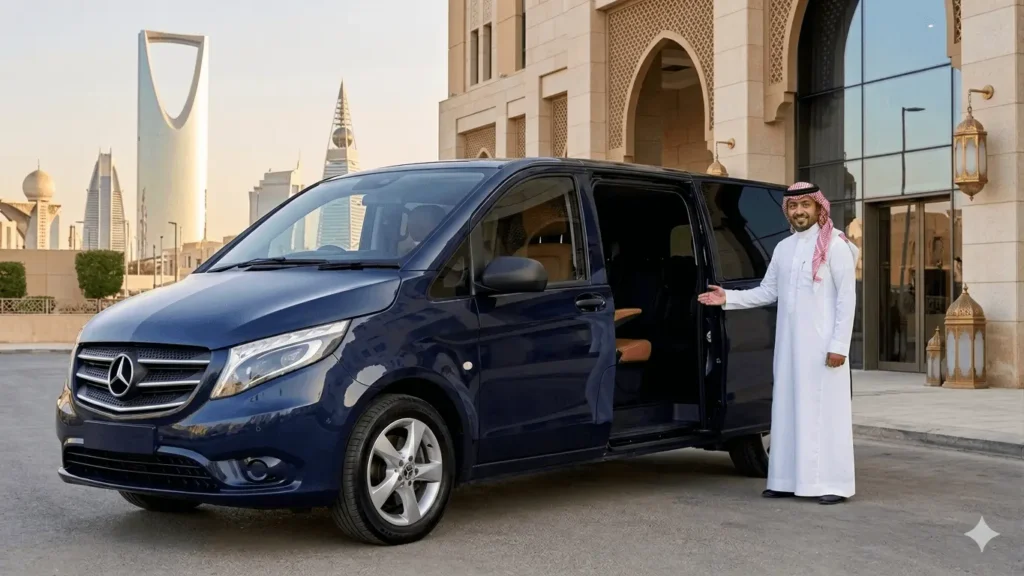
Makkah is a city of enormous spiritual significance, but it is also a large, busy urban area with heavy traffic — especially near Masjid al-Haram. Here is why hiring a dedicated driver makes your Ziyarat experience so much better.
1. Holy Sites Are Far Apart
The Ziyarat sites in Makkah are not all clustered in one place. From Jabal al-Nour (Mountain of Light) in the northeast to the plains of Arafat in the east, and from Mina to Muzdalifah, a single full Ziyarat tour can cover 50 to 80 km of city and mountain roads. A private driver handles all of this effortlessly while you focus on worship.
2. Parking Near Holy Sites Is a Major Challenge
Finding parking near Masjid al-Haram, Jabal al-Nour, or Jabal Thawr is extremely difficult, especially during peak pilgrimage seasons. A driver drops you at the entrance and waits nearby, saving you the stress and the unnecessary walking.
3. You Can Focus on Worship, Not Navigation
Ziyarat is a deeply spiritual activity. When your driver handles the route, the timing, and the logistics, you are free to focus entirely on dua, reflection, and absorbing the blessed history of each sacred site.
4. Flexibility and Your Own Schedule
A private driver gives you complete flexibility. Unlike group tours that rush you from site to site on a fixed schedule, a private chauffeur service means you stay as long as you need at each location — especially important at deeply significant places like the Cave of Hira or Mount Arafat.
5. Ideal for Families and Elderly Pilgrims
Makkah’s terrain can be physically demanding, especially in summer heat. For families with children, elderly pilgrims, or those with limited mobility, a comfortable car with a professional driver is not just a convenience — it is essential.
| Plan your Ziyarat with a trusted local driver. Book your private car with GH Trips now |
Top Ziyarat Places in Makkah
Here is a detailed guide to all the major Ziyarat sites in Makkah that you should include in your tour with a driver. Each location carries unique spiritual and historical importance in Islam.
1. Masjid al-Haram — The Grand Mosque
Masjid al-Haram is the most sacred site in all of Islam. It is the heart of Makkah and the focal point of every Umrah and Hajj. Inside its boundaries stands the Kaaba — the cube-shaped structure that Muslims around the world face during their five daily prayers. The Zamzam Well, Maqam Ibrahim, and the Safa and Marwa hills are all within this sacred precinct.
Key Sites Within Masjid al-Haram
- The Kaaba (Baytullah) — The House of Allah, the most sacred structure on earth.
- Maqam Ibrahim — The footprint stone of Prophet Ibrahim (AS) where he stood to build the Kaaba.
- Hajar al-Aswad — The Black Stone set in the eastern corner of the Kaaba.
- Zamzam Well — The blessed well whose water has flowed for thousands of years without stopping.
- Safa and Marwa — The two hills between which Hajar (AS) ran searching for water, now part of the Sa’i ritual.
Your driver will drop you as close to the mosque entrance as possible and coordinate a pickup point after your visit. During peak hours, this coordination is invaluable.
| GH Trips Tip: The best time to perform Tawaf with fewer crowds is between 1:00 AM and 4:00 AM. Ask your driver to arrange an early-morning schedule for a more peaceful and spiritually focused experience at the Kaaba. |
2. Jabal al-Nour — The Mountain of Light (Cave of Hira)
Jabal al-Nour, the Mountain of Light, is one of the most visited and spiritually significant Ziyarat sites in Makkah. It is here, inside the Cave of Hira (Ghar Hira), that the very first revelation of the Quran was sent down to Prophet Muhammad (peace be upon him) through the Angel Jibreel (AS). The first words revealed were: ‘Iqra’ — Read, in the name of your Lord who created.’
The mountain is approximately 640 metres high and requires a climb of around 1,200 steps to reach the cave at the summit. The view from the top is breathtaking, overlooking the entire city of Makkah including the Grand Mosque below. Visiting this site and offering prayers inside the small cave is an experience that leaves a permanent mark on every pilgrim’s heart.
Practical Information
- Location: North of Masjid al-Haram, approximately 4 km away.
- Climb Time: 30 to 45 minutes to reach the top depending on fitness level.
- Best Time to Visit: After Fajr prayer at sunrise — cooler temperatures and a breathtaking view.
- Driver Note: The parking area at the base is always busy. Your driver will drop you off and wait at the designated area nearby.
| GH Trips Tip: Wear flat, comfortable shoes for the mountain climb. Carry water. The climb can be challenging for elderly visitors — take your time and rest at the water stations placed along the path by volunteers. |
3. Jabal Thawr — The Cave of the Migration (Ghar Thawr)
Jabal Thawr is one of the most historically significant mountains in Makkah. Inside the Cave of Thawr, Prophet Muhammad (peace be upon him) and his loyal companion Abu Bakr al-Siddiq (RA) took refuge for three nights during the Hijra (the migration to Madinah). Allah protected them miraculously — a spider wove a web and a dove laid eggs at the cave entrance, causing their pursuers to turn back.
Jabal Thawr is located south of Masjid al-Haram. The climb is steeper and more challenging than Jabal al-Nour, making a vehicle drop-off even more important. Many pilgrims choose to view the mountain from below and offer dua without climbing, which is perfectly acceptable.
Practical Information
- Location: South of Masjid al-Haram, approximately 4 km away.
- Climb Time: 45 to 90 minutes to reach the cave at the top.
- Significance: Site of the miraculous protection during the Hijra — one of the most pivotal moments in Islamic history.
- Driver Tip: Ask your GH Trips driver to plan a route that covers both Jabal al-Nour and Jabal Thawr on the same day.
| GH Trips Tip: Visit Jabal al-Nour in the early morning and Jabal Thawr in the late morning. This two-mountain sequence makes for one of the most spiritually powerful half-days a pilgrim can experience in Makkah. |
4. Mina — The City of Tents
Mina is a vast valley located approximately 5 km east of Masjid al-Haram. During the days of Hajj, it becomes the largest temporary city on earth, housing over two million pilgrims in its famous white tents. Outside of Hajj season, Mina is a quieter but still profoundly significant site.
Key Sites in Mina
- Jamarat Bridge — The three symbolic pillars (Jamarat al-Ula, al-Wusta, al-Aqaba) where pilgrims stone Shaytan during Hajj, following the tradition of Prophet Ibrahim (AS).
- Masjid al-Khaif — One of the oldest mosques in Makkah, where it is said 70 prophets offered prayer. Praying here is a highly recommended Sunnah act.
- The Tent City — The iconic white tent valley that becomes a city during Hajj.
For Umrah visitors, driving through Mina and visiting Masjid al-Khaif and the Jamarat area provides a powerful visual and spiritual connection to the great rituals of Hajj and the story of Prophet Ibrahim (AS).
| GH Trips Tip: Outside Hajj season, Mina is accessible and relatively uncrowded. Offering two Rakat at Masjid al-Khaif is a beloved Sunnah act that many pilgrims miss simply because they do not know about it. |
5. Arafat — The Plain of Mercy
The plain of Arafat is called the heart of Hajj. The Prophet Muhammad (peace be upon him) said: ‘Hajj is Arafat.’ Located approximately 20 km east of Makkah, it is here that pilgrims gather on the 9th of Dhul Hijja for the central ritual of Hajj — the Standing (Wuquf) at Arafat — in a powerful moment of collective supplication, repentance, and mercy.
Even outside of Hajj season, visiting Arafat is a profound Ziyarat experience. The plain stretches for miles, and standing where millions of Muslims across the centuries have stood in tears of repentance before Allah is genuinely moving.
Key Sites in Arafat
- Jabal al-Rahmah (Mount of Mercy) — The hill where the Prophet delivered his Farewell Sermon on his only Hajj. It is also said to be where Prophet Adam and Hawa (Eve) were reunited on earth after descending from Paradise.
- Masjid al-Namirah — A large mosque on the western edge of Arafat built on the site where the Prophet offered Dhuhr and Asr prayers before delivering his sermon.
- The Plain of Arafat — Simply standing here and making sincere dua is one of the most spiritually powerful acts available to any Muslim visitor.
| GH Trips Tip: Arafat is 20 km from central Makkah. Public transport to Arafat outside of Hajj season is very limited. A private driver is essential here. GH Trips drivers are experienced in navigating the full Arafat-Mina-Muzdalifah triangle. |
6. Muzdalifah — The Sacred Open-Air Place
Muzdalifah is the open area located between Mina and Arafat. During Hajj, pilgrims spend the night here under the open sky after returning from Arafat, collecting pebbles for the Jamarat ritual and offering Maghrib and Isha prayers combined, as the Prophet did. Muzdalifah is also known as al-Mash’ar al-Haram, a name mentioned directly in the Quran (Surah al-Baqarah 2:198).
Driving through Muzdalifah and seeing the vast open land where millions camp under the stars during Hajj is a powerful reminder of this great pillar of Islam. Visiting Masjid al-Mash’ar al-Haram located within Muzdalifah is a meaningful stop on any Ziyarat tour.
- Location: Between Mina and Arafat — approximately 10 to 15 km from central Makkah.
- Quranic Reference: Mentioned as ‘al-Mash’ar al-Haram’ in Surah al-Baqarah (2:198).
7. Masjid al-Jinn — Where the Jinn Embraced Islam
Masjid al-Jinn is a unique and often-overlooked Ziyarat site in Makkah. It marks the blessed spot where a group of Jinn gathered to listen to the Prophet Muhammad (peace be upon him) reciting the Quran, and upon hearing its words, they accepted Islam. This remarkable event is mentioned in Surah al-Jinn (Chapter 72) in the Quran: ‘Say: It has been revealed to me that a group of Jinn listened and said: Indeed we have heard a wondrous Quran.’
The mosque is located in the Mu’abidah district of Makkah, not far from the Grand Mosque. It is a modest but spiritually profound site — a reminder that the message of Islam reaches beyond humanity to all of Allah’s creation.
- Location: Mu’abidah district, approximately 1.5 km from Masjid al-Haram.
- Significance: Connected to Surah al-Jinn in the Holy Quran.
- Visit Duration: 15 to 20 minutes including prayer.
8. Masjid al-Ijabah — The Mosque of the Answered Prayer
Masjid al-Ijabah (also known as Masjid Mu’awiyah) is the site where the Prophet Muhammad (peace be upon him) made three supplications to Allah. Two of those supplications were accepted and answered, and the third was withheld — out of divine mercy for the Muslim Ummah. Visiting this mosque, offering two Rakat, and making sincere personal dua at this blessed spot is a cherished practice.
- Location: Shubaika district, central Makkah — a few kilometres from Masjid al-Haram.
- Significance: Site of the Prophet’s recorded answered supplications.
- Best Practice: Offer two Rakat and make heartfelt personal dua — this is a site where prayers are especially hoped to be answered.
9. Jannat al-Mualla — The Sacred Cemetery of Makkah
Jannat al-Mualla is the ancient and revered cemetery of Makkah, located very close to Masjid al-Haram. It is the resting place of many of the Prophet’s most beloved family members and ancestors, including Sayyida Khadijah bint Khuwaylid (RA) — the Prophet’s first and most beloved wife — as well as his grandfather Abd al-Muttalib, his uncle Abu Talib, and many other companions and family members.
Visiting Jannat al-Mualla, offering Salawat upon the Prophet, and making dua for those buried in this sacred ground is a practice followed by Muslim pilgrims for centuries. It is one of the most emotionally moving stops on the entire Makkah Ziyarat tour.
- Location: Approximately 500 metres north of Masjid al-Haram.
- Notable Graves: Sayyida Khadijah (RA), Abd al-Muttalib, Abu Talib.
- Visit Duration: 20 to 30 minutes.
- Note: The cemetery has specific visiting hours — your experienced GH Trips driver will know the best time to visit.
10. Mawlid al-Nabi — Birthplace of the Prophet
The birthplace of the Prophet Muhammad (peace be upon him) is located in the historic Suq al-Layl district of Makkah. The site is now occupied by the Makkah Public Library (Maktabah Makkah al-Mukarramah), as the original building no longer stands. However, standing at this spot — the very place where the greatest human being in all of creation was born — and offering Salawat upon the Prophet is a deeply emotional and spiritual experience.
- Location: Suq al-Layl area, within walking distance of Masjid al-Haram.
- Current Use: Makkah Royal Public Library.
- Significance: The birthplace of the Seal of Prophets, Muhammad (peace be upon him).
11. Masjid al-Ray — The Mosque of the Two Qiblas
Masjid al-Ray is a small but historically significant mosque near Masjid al-Haram. It is believed to be the site where the Prophet Muhammad (peace be upon him) prayed facing the original Qibla (Jerusalem) and then received the revelation changing the direction of prayer to the Kaaba in Makkah. This change of Qibla is one of the major events described in Surah al-Baqarah.
- Location: Close to Masjid al-Haram, central Makkah.
- Historical Significance: Connected to the revelation of the change of Qibla direction.
Suggested One-Day Ziyarat Itinerary with Driver
Here is a practical full-day Ziyarat schedule in Makkah. A knowledgeable GH Trips driver will follow a route that minimises travel time and ensures you visit every site in a logical, comfortable sequence.
| Time | Ziyarat Site | Notes |
| 5:00 AM | Masjid al-Haram | Fajr prayer + Tawaf — most peaceful at this hour |
| 7:30 AM | Jabal al-Nour (Ghar Hira) | Early morning climb — cooler and beautiful sunrise view |
| 10:00 AM | Jabal Thawr (Ghar Thawr) | Drive south — Cave of the Hijra migration |
| 12:00 PM | Masjid al-Haram | Dhuhr prayer + Zamzam water + rest in the shade |
| 2:00 PM | Jannat al-Mualla | Cemetery visit — dua for the Prophet’s beloved family |
| 3:00 PM | Masjid al-Jinn | Short visit — two Rakat, reflect on Surah al-Jinn |
| 3:30 PM | Masjid al-Ijabah | Dua at the site of the Prophet’s answered supplications |
| 4:30 PM | Mina + Masjid al-Khaif | Drive through Mina — prayer at Masjid al-Khaif |
| 5:30 PM | Muzdalifah | Drive-through — view al-Mash’ar al-Haram |
| 6:00 PM | Arafat + Jabal al-Rahmah | Walk the plain — dua at the Mount of Mercy |
| 8:00 PM | Return to Hotel | Maghrib + Isha prayer — rest after a blessed day |
Book Your Makkah Ziyarat Driver with GH Trips
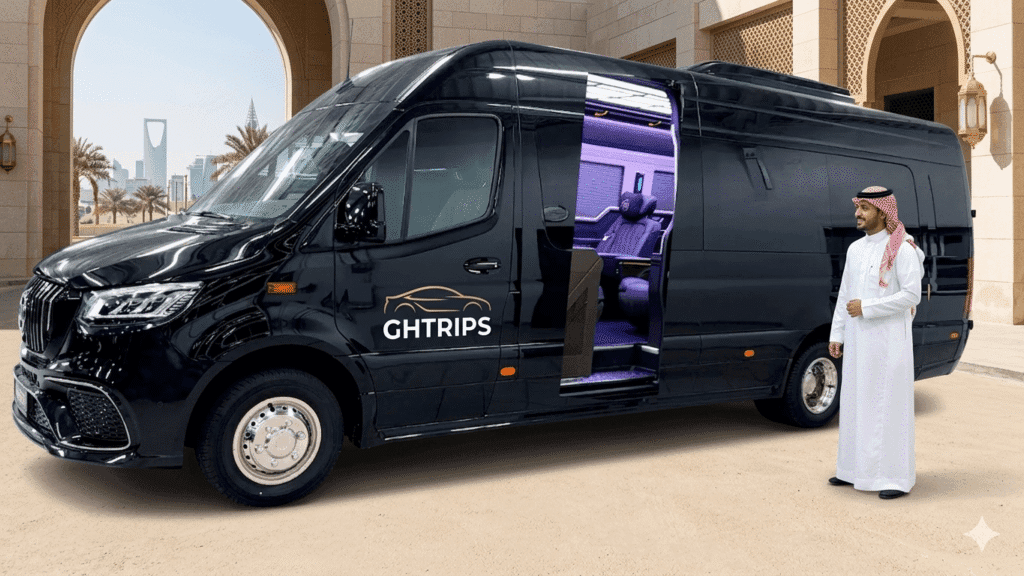
At GH Trips, we provide experienced, knowledgeable drivers who are deeply familiar with all Ziyarat locations in Makkah. Our drivers understand the spiritual importance of your visit, respect your time at each site, and help you get the absolute most out of your blessed journey.
Our Services for Pilgrims
- Private Chauffeur Service — Dedicated driver for your full Ziyarat tour in Makkah
- Car With Driver — Wide fleet including sedans, SUVs, and vans for groups of all sizes
- Airport Transfer — Smooth, on-time pickup from Jeddah (King Abdulaziz International Airport) directly to Makkah
- Regular Transfer — Daily scheduled rides between your hotel and Masjid al-Haram
- Business Transfer — Premium transport for corporate groups and delegations
- Our Fleet — Browse all available vehicles to find the right car for your group size and comfort preference
Why Choose GH Trips for Your Makkah Ziyarat?
- Experienced, courteous drivers who know every Ziyarat site in Makkah
- Flexible scheduling — your itinerary, your pace, your spiritual journey
- Clean, air-conditioned vehicles — essential in Saudi Arabia’s climate
- Transparent pricing with no hidden fees
- Available for solo travelers, couples, families, and large groups
- Multilingual drivers available — Arabic, English, and Urdu
| Ready to explore the holy sites of Makkah? Book your Ziyarat driver with GH Trips today |
Essential Tips for Ziyarat in Makkah
Best Time of Year
The most comfortable time to visit Makkah for Ziyarat is between October and March when temperatures range from 18°C to 28°C. Summer months (May to September) can see temperatures exceeding 42°C, making outdoor climbing at Jabal al-Nour and Jabal Thawr extremely challenging.
During Ramadan, Makkah sees its largest crowds of the year but the spiritual atmosphere is unparalleled. Book your driver well in advance for Ramadan travel as demand is very high.
What to Wear
- Men: Loose, comfortable clothing. Ihram if performing Umrah. No shorts near mosque areas.
- Women: Full abaya and head covering in all public areas. Comfortable flat footwear for mountain climbing.
- Everyone: Flat, slip-resistant shoes are essential for the mountain climbs.
What to Bring
- Water bottle — carry water at all times, especially during the mountain climbs.
- Small prayer mat — useful at outdoor sites where no prayer space is provided.
- Zamzam water container — available near the Grand Mosque.
- Passport, Iqama, or Umrah permit — always carry your identification documents.
- Cash in Saudi Riyals — some sites have stalls and donation points nearby.
- Powerbank — to keep your phone charged for maps, photos, and dua apps.
Photography Etiquette
- Photography inside Masjid al-Haram is restricted in many areas — always follow posted signs.
- Do not photograph other worshippers without permission.
- At outdoor sites like Jabal al-Nour, photography is generally permitted and the views are worth capturing.
More from GH Trips Blog
If you found this Ziyarat guide helpful, explore these related travel guides from GH Trips:
- Makkah to Madinah Distance & Travel Time — Everything you need to know about traveling between the two holy cities by Haramain train, road, or bus.
- Riyadh to Dammam Travel Guide — A complete guide to traveling between Saudi Arabia’s capital and the Eastern Province.
- Jeddah to Riyadh Distance — Distance, travel time, and all travel options between Jeddah and Riyadh.
- Browse all travel guides and tips at GH Trips Blog
| Need transport anywhere in Saudi Arabia or the UAE? Contact GH Trips — your trusted travel partner |
Frequently Asked Questions
Can I visit all the Ziyarat sites in Makkah in one day?
Yes. With a dedicated private driver, it is entirely possible to visit all the major Ziyarat sites in Makkah in a single well-planned day. The itinerary in this guide covers the Grand Mosque, both sacred mountains, Mina, Arafat, Muzdalifah, and the historic mosques — all within approximately 12 hours.
Is Ziyarat only for Hajj pilgrims?
Not at all. Anyone visiting Makkah for Umrah or any religious purpose can perform Ziyarat throughout the year. Many Umrah pilgrims specifically plan a full day for Ziyarat as part of their trip to Makkah.
Is a driver alone enough or do I need a separate tour guide?
A knowledgeable, experienced local driver who regularly takes pilgrims on Ziyarat tours is usually sufficient. They know the location of every site, the best timing, and where to wait. If you would like detailed religious and historical explanations at each site, you may additionally consider hiring a licensed Islamic tour guide.
Can non-Muslims visit Makkah and its Ziyarat sites?
No. Entry to Makkah is exclusively for Muslims. Checkpoints on all entry roads to Makkah enforce this rule strictly. Non-Muslims are not permitted to enter the city.
How far is Arafat from the Grand Mosque?
Arafat is approximately 20 km east of Masjid al-Haram. By car the journey takes about 25 to 35 minutes depending on traffic. It is not possible to walk there from central Makkah — a private vehicle is required.
Can I combine a Makkah Ziyarat tour with Ziyarat in Madinah?
Absolutely. Many pilgrims combine their Makkah Ziyarat with a trip to Madinah to visit Al-Masjid an-Nabawi and the many blessed sites of Madinah. Read our detailed guide on Makkah to Madinah distance and all travel options to plan this part of your journey.
Final Thoughts from GH Trips
Makkah is a city unlike any other on earth — every mountain, every plain, every narrow street carries the weight of divine history and prophetic tradition. Visiting the Ziyarat sites of Makkah is one of the most spiritually enriching experiences a Muslim can have in this lifetime. Doing so with a knowledgeable, reliable driver transforms the journey from logistically challenging into something deeply fulfilling.
From the Cave of Hira where the first words of the Quran descended, to the vast plain of Arafat where the Prophet delivered his final sermon to humanity, every site in this guide deserves your time, your presence, and your most sincere dua.
GH Trips is proud to support pilgrims and Ziyarat visitors with professional private driver services that let you focus entirely on what matters most — your spiritual journey and your connection with Allah.
May Allah accept your Ziyarat, grant you forgiveness, and bless you with the honour of returning to His holy house again and again.
— The GH Trips Team