

You’ve made it to Salalah, the lush, surprising jewel of southern Oman, and now the fun begins. This is a city of waterfalls and white-sand beaches, ancient frankincense ports and dramatic blowholes, misty green mountains and 2,000-year-old ruins. The only challenge is that Salalah’s best sights are spread across the wide Dhofar region, so a little planning (and the right transport) helps you make the most of every day.

Here’s a ready-made list of the top ten things to do in Salalah, from the must-sees that define the region to a few special extras, plus how to group them into easy days and get around. Whether you’ve come for the green magic of the Khareef season or the sunny calm of the cooler months, these are the experiences that make Salalah unforgettable. A quick note: opening hours and seasonal access (especially for waterfalls) vary, so check current details for each spot before you set off.
A Quick Word on Getting Around Salalah
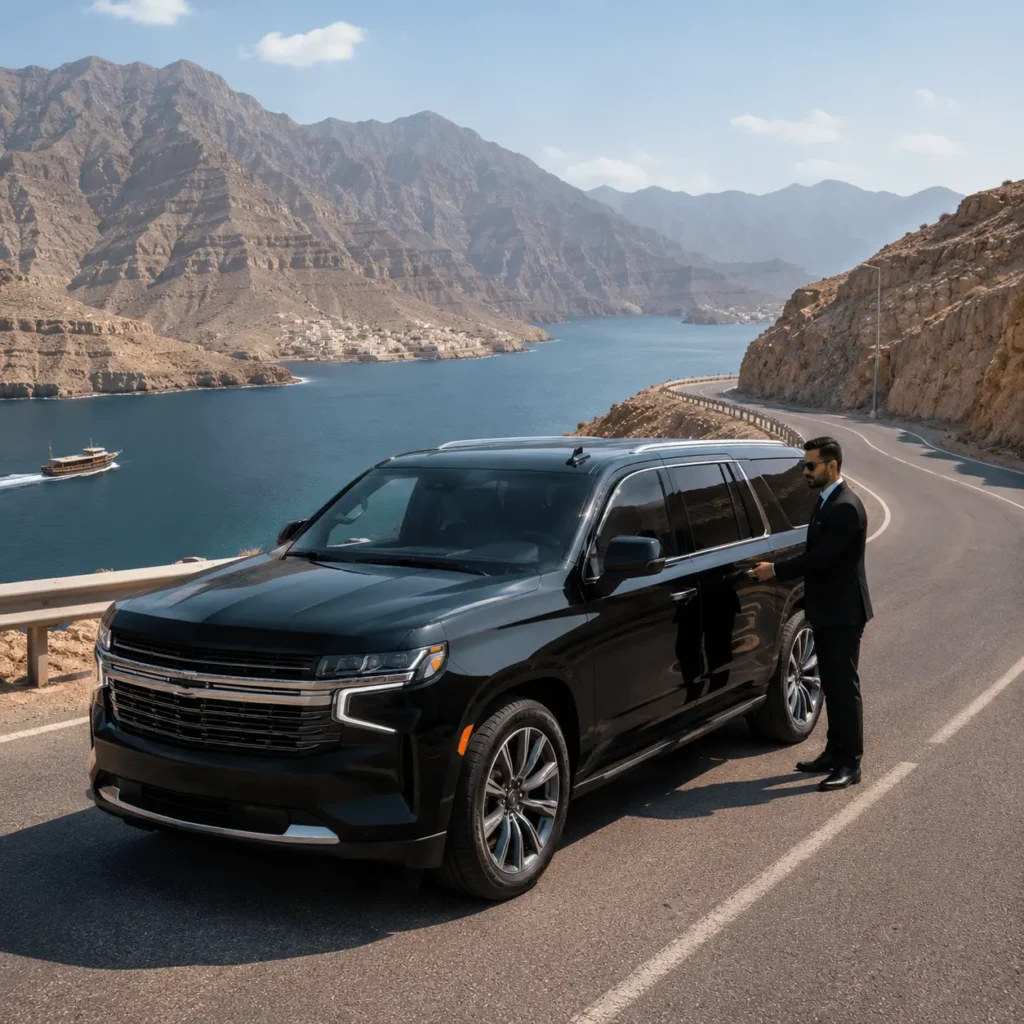
Before the list, one practical point that shapes everything: Salalah’s attractions are scattered across the Dhofar region, the beaches and blowholes to the west, the waterfalls and ancient sites to the east, and the city sights in the centre. Public transport mainly serves the city itself, not the far-flung natural attractions, so you’ll need a car to see the best of the area. Having a private vehicle and driver who knows the region (whether continuing from your transfer or arranged locally) makes exploring effortless, you simply move from sight to sight, with the driver navigating the mountain roads and timing the day. It’s the easiest way to tick off this whole list.
1. Wadi Darbat: Waterfalls & Green Valleys
If Salalah has one signature sight, it’s Wadi Darbat. This stunning valley of lush green hills, a flowing river, and seasonal waterfalls is the heart of the region’s natural beauty, especially during and just after the Khareef, when the falls are at their fullest. You can picnic by the water, take a boat ride, hike the surrounding hills with their little caves, and soak up scenery that feels impossibly tropical for Arabia. There are several spots along the wadi worth visiting, and small stalls selling snacks and Omani treats. It’s a place to linger.
2. Al Mughsail Beach & the Blowholes
On Salalah’s western coast, Al Mughsail Beach is a spectacular sweep of white sand framed by dramatic cliffs and the Arabian Sea. Its famous feature is the blowholes: at the right tide, seawater is forced up through holes in the rock and erupts in powerful jets, a genuinely thrilling natural show, best viewed from the Marneef Cave overhang nearby. The drive out to Mughsail, winding through green mountains, is a highlight in itself. Beyond it, the scenic road towards Fazayah Beach offers even more jaw-dropping coastline.
3. Sultan Qaboos Mosque
In the heart of the city, the Sultan Qaboos Mosque is Salalah’s largest and a serene architectural gem, blending traditional Omani and modern design with elegant chandeliers, patterned walls, and a calm, air-conditioned interior. Non-Muslim visitors are welcome to admire it outside prayer times, making it an accessible window into Omani culture and craftsmanship. Dress modestly (covered shoulders and knees, and a head covering for women), and visit respectfully, it’s a beautiful, peaceful stop.
4. Al Baleed Archaeological Park & Frankincense Museum
A UNESCO World Heritage Site right on the city’s coast, Al Baleed Archaeological Park preserves the ruins of the ancient port city of Zafar, once a thriving hub of the global frankincense trade. You can wander the open-air ruins overlooking the sea, and inside the park, the excellent Frankincense Land Museum tells the story of Dhofar’s seafaring and incense history across its History and Frankincense halls. It’s both fascinating and a welcome air-conditioned escape from the midday sun, a perfect blend of culture and comfort.
5. Sumhuram (Khor Rori) Old City
East of the city, the UNESCO-listed Sumhuram (Khor Rori) archaeological site is another ancient frankincense port, with ruins dating back some 2,000 years, walls, houses, temples, and a grand gateway, perched above the beautiful Khor Rori creek. Romantically linked in legend to the Queen of Sheba, it offers a real sense of the ancient world, along with serene views over the creek and its birdlife. It’s a must for history lovers and a wonderfully atmospheric spot.
6. Taqah Castle & Town
The charming fishing town of Taqah, east of Salalah, is home to the beautifully restored Taqah Castle, a 19th-century fort that now serves as a museum offering a glimpse into traditional Dhofari life. The town’s white-sand beaches and laid-back coastal feel make it a lovely stop, and it pairs naturally with the eastern sights like Sumhuram and Wadi Darbat on a day out. A relaxed dose of history and seaside calm.
7. Mirbat: History by the Sea
Further along the eastern coast lies Mirbat, a historic trading town with a significant past. Explore Mirbat Castle (also a museum), wander past atmospheric old merchant houses (some beautifully preserved, others romantically crumbling), and spend time at the fishing port. With its blend of history, traditional architecture, and coastline, Mirbat rewards those who venture a little further from the city, and the drive there is scenic in its own right.
8. Jabal Samhan & the Anti-Gravity Point
For mountain drama, the Jabal Samhan viewpoint offers sweeping vistas over the Dhofar mountains and coast, especially magical when the Khareef mist rolls through, creating those famous dreamlike, fog-wrapped scenes. On the route between Mirbat and Salalah, don’t miss the quirky Anti-Gravity Point, where, thanks to an optical illusion, a car left in neutral appears to roll uphill. It’s a fun, only-here novelty that delights travellers of all ages and makes for great stories.
9. Tawi Atair Sinkhole
Near Wadi Darbat, the Tawi Atair, the ‘Well of Birds’, is one of the region’s most impressive natural wonders: a vast sinkhole around 200 metres deep, formed in honeycombed limestone and home to birdlife and groundwater. While the viewpoint at the top offers a glimpse, hiking part of the way down rewards you with far better views into this dramatic geological feature. It’s an offbeat, memorable stop for the adventurous, best done with sturdy shoes.
10. Haffa Souq & the Frankincense Trail
No visit to Salalah is complete without its frankincense heritage, and the Haffa Souq (Al Husn Souq), near the Al Husn Palace, is the place to experience it. Wander the lanes browsing frankincense, bukhoor (perfumed incense), traditional perfumes, and souvenirs, and breathe in the scents that made this region famous for millennia. It’s the perfect spot to pick up authentic gifts and round off your cultural exploration of the frankincense story that runs through so many of Salalah’s sights.
Bonus: A Few More Worth Your Time

- Fazayah Beach: a remote, stunning beach reached by a scenic mountain drive, one of Oman’s best-kept secrets
- Ayn Khor and Ayn Athum: pretty natural springs and seasonal waterfalls, lovely in and after Khareef
- The Empty Quarter & the Lost City of Ubar: a desert adventure into the vast Rub’ al Khali dunes and ancient legend
- Salalah’s local food: try regional specialities like ma’ajeen, kaak bread, and fresh seafood
- Salalah Gardens Mall: a modern spot for shopping, dining, and a break from the heat
How to Structure Your Days
The sights group neatly by area, which makes planning easy:
- East Salalah day: Wadi Darbat, Tawi Atair, Sumhuram, Taqah, Jabal Samhan, the Anti-Gravity Point, and Mirbat
- West Salalah day: Al Mughsail Beach and blowholes, Marneef Cave, and the scenic road to Fazayah Beach
- City day: Sultan Qaboos Mosque, Al Baleed and the Frankincense Museum, and the Haffa Souq
- Add a desert day for the Empty Quarter if you have extra time
Two to three days lets you see the highlights comfortably; longer if you want to slow down and explore. A driver who knows the region can sequence each day efficiently around the distances.
Practical Tips for Sightseeing
- Visit waterfalls and green spots during or just after Khareef (roughly late June to September) for the fullest flow
- Cooler months (October to February) are quieter and sunny, ideal for beaches and ruins
- Dress modestly for the mosque and respect local customs at all sites
- Carry cash (Omani rials) for entry fees, the souq, and local eateries
- Bring sun protection, water, and good shoes for hikes like Tawi Atair
- Start days early to beat crowds, especially at popular Khareef-season spots
- Check current opening hours and any seasonal closures before each visit
Frequently Asked Questions
Q: What are the top things to do in Salalah?
A: The highlights include Wadi Darbat (waterfalls and green valleys), Al Mughsail Beach and its blowholes, the Sultan Qaboos Mosque, the UNESCO sites of Al Baleed and Sumhuram, Taqah Castle, the town of Mirbat, the Jabal Samhan viewpoint and Anti-Gravity Point, the Tawi Atair sinkhole, and the Haffa Souq for frankincense.
Q: How many days do you need in Salalah?
A: Two to three days is enough to see the main highlights comfortably, grouped into an east day, a west day, and a city day. Add more time if you want a relaxed pace, extra beaches, or a desert trip to the Empty Quarter and the Lost City of Ubar.
Q: What is the best time to visit Salalah?
A: The famous Khareef monsoon (roughly late June to September) brings lush green hills and full waterfalls, but it’s busy. The cooler, sunny months of October to February are quieter and ideal for beaches and ruins. Each season offers a different but rewarding experience.
Q: Do I need a car to explore Salalah?
A: Yes, effectively. The best attractions are spread across the Dhofar region, and public transport mainly serves the city, not the waterfalls, beaches, and ancient sites outside it. A private car and driver who knows the area is the easiest way to see everything comfortably.
Q: Is Salalah good for families?
A: Very. Wadi Darbat’s waterfalls and boat rides, Mughsail’s blowholes, the fun Anti-Gravity Point, the beaches, and the historic castles all appeal to children and adults alike. A private vehicle makes getting around with family easy, with space for everyone and the flexibility to set your own pace.
Q: What can I buy in Salalah?
A: Frankincense and bukhoor (perfumed incense) are the signature souvenirs, best found at the Haffa Souq, along with traditional Omani perfumes, crafts, tea sets, and jewellery. The frankincense story runs through Salalah’s history, making it a meaningful and authentic gift to take home.
Final Word: A Destination Worth the Journey
Salalah rewards every kilometre it takes to reach it. In a single trip you can stand beneath erupting blowholes, picnic by tropical waterfalls, walk through 2,000-year-old frankincense ports, gaze over misty green mountains, and breathe in the scents of an ancient souq. Group the sights by area, time your visit to the season you want, and let a driver handle the distances, and you’ll experience the very best of this extraordinary corner of Arabia, the perfect reward at the end of the road from Dubai.To make your Salalah trip seamless, you can arrange your journey with a Dubai to Salalah car with driver, set up a wider Oman chauffeur service for touring the region, browse the fleet for a comfortable vehicle, or contact our team to plan your Salalah sightseeing around your dates.