

Nizwa’s forts and souqs are only half the story. Rising dramatically just beyond the old capital are two of Oman’s most spectacular mountains: Jebel Akhdar, the cool, terraced ‘Green Mountain’, and Jebel Shams, the country’s highest peak and home to the breathtaking ‘Grand Canyon of Arabia’. Both make unforgettable day trips from Nizwa, but there’s one thing every visitor needs to know before setting off: you cannot drive up these mountains in an ordinary car.
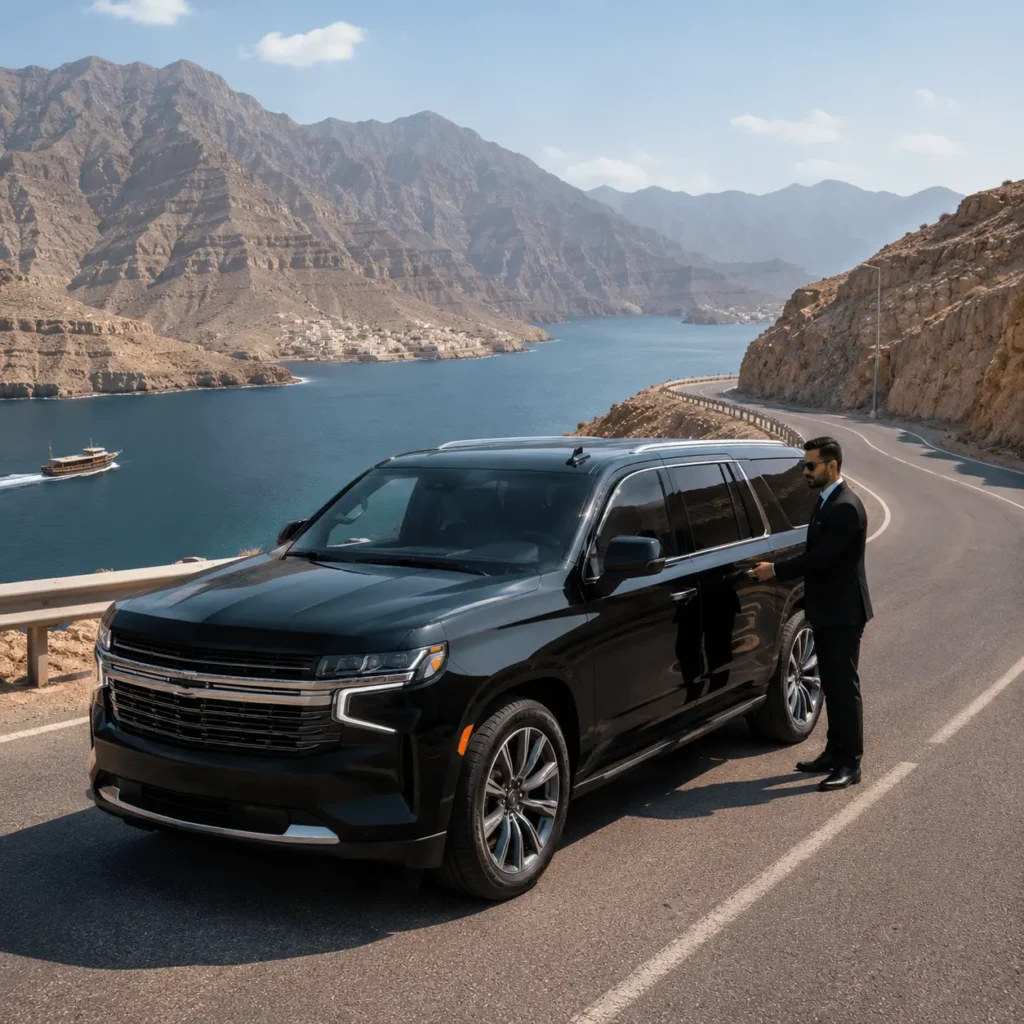
This guide covers day trips from Nizwa to Jebel Akhdar and Jebel Shams: what makes each mountain special, the must-see viewpoints and walks, which one to choose, whether you can combine them, and the sample plans to make it happen. Most importantly, we’ll explain why a 4×4 with a driver isn’t a luxury here but the safest and easiest, and in places the only permitted, way up. Conditions and access can change in the mountains, so always check the latest before you travel, and never attempt a route beyond your fitness or your vehicle’s capability.
Nizwa: Your Gateway to the Mountains
Nizwa sits perfectly as a base for both mountains. They lie in the same Al Dakhiliyah region, roughly 75 kilometres apart, with Nizwa as the natural hub between them. From the city, the approach to Jebel Akhdar begins near Birkat Al Mouz, while Jebel Shams is reached via the old town of Al Hamra. This makes Nizwa the ideal launch point for a mountain adventure, close enough for either to be a comfortable day trip, with the forts, souq, and the famous Friday market to enjoy on the days in between.
Why You Need a 4×4 (and Why That Matters)
The Jebel Akhdar police checkpoint
This is the single most important practical fact for Jebel Akhdar: there is a police checkpoint at the foot of the mountain road, and only 4×4 vehicles are permitted to drive up. The reason is safety, the ascent is steep and winding, and two-wheel-drive cars simply aren’t allowed past the checkpoint. If you arrive without a 4×4, you’ll be turned back, and you’d then have to arrange a paid mountain transfer with a hotel or operator. Booking a 4×4 with driver from the start avoids the problem entirely and gets you straight up.
The Jebel Shams approach
Jebel Shams is similar in spirit. While the route is partly sealed, the final stretches to the canyon-rim viewpoints and trailheads are rough, gravelly mountain track that genuinely requires a high-clearance 4×4 and confident driving. Attempting it in a regular rental is unwise and can be dangerous. On both mountains, the message is the same: the right vehicle isn’t optional, and a driver who knows these roads removes the risk and the stress.
Jebel Akhdar: The Green Mountain
What makes it special
Jebel Akhdar, part of the Saiq Plateau, sits at around 2,000 metres, with peaks rising towards 3,000. Its altitude makes it dramatically cooler than the coast, often around 10°C lower, so when Muscat swelters in the mid-30s, the mountain can be in the pleasant low 20s. That cool climate supports something unique in the region: terraced gardens of roses (famous for spring rose-water production), along with pomegranate, peach, almond, and walnut orchards clinging to the cliffsides, dotted with ancient stone villages. It’s green, fragrant, and utterly unlike the desert below.
Top things to see
- Diana’s Point: a free clifftop viewpoint (named for Princess Diana’s 1986 visit) with sweeping plateau views, near the Anantara resort
- Wadi Bani Habib: an atmospheric abandoned village set in a canyon, reached by steps from the car park, with old stone houses and walnut trees
- The terraced rose villages: a marked walk links Al Aqr, Al Ayn, and Al Aqor through the rose terraces and falaj channels, glorious in the spring rose season
- Al Suwgra (As Sogra): a beautifully preserved ancient village with a small entry fee and a cafe, offering a window into traditional mountain life
- The luxury resorts: even for a coffee or lunch, properties like Anantara Al Jabal Al Akhdar and dusitD2 enjoy spectacular canyon-edge settings
Jebel Shams: The Grand Canyon of Arabia
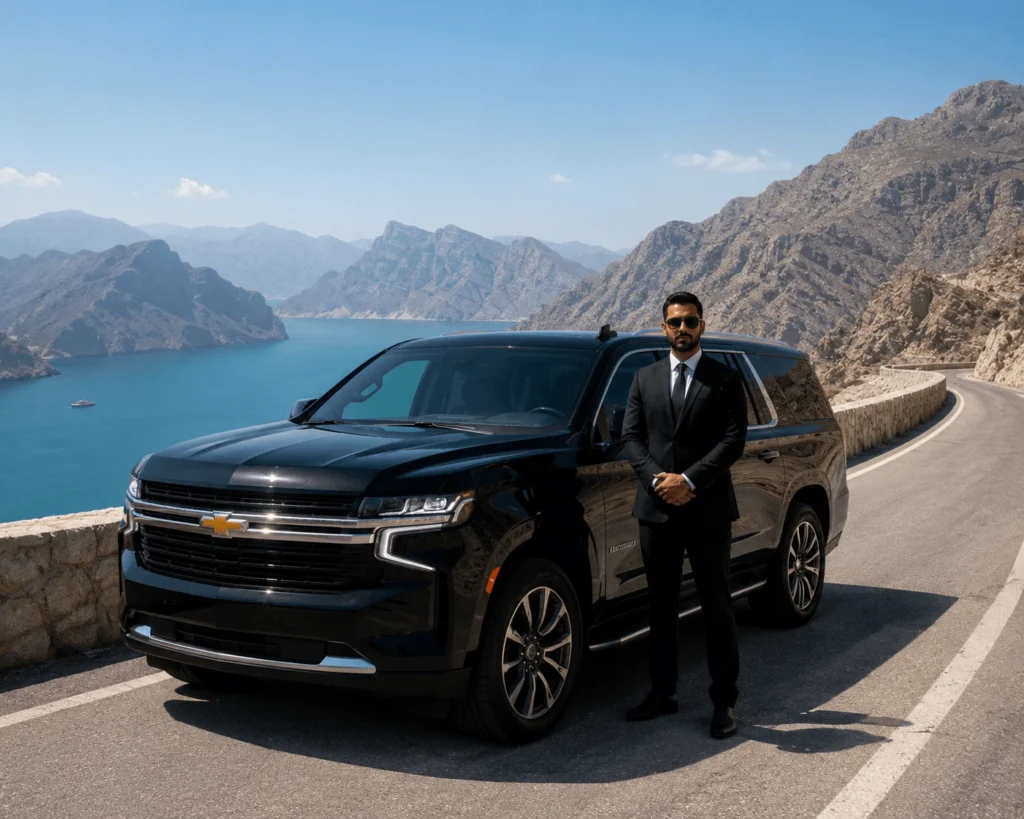
Jebel Shams, the ‘Mountain of the Sun’, is Oman’s highest peak at around 3,000 metres. Note that the summit itself is a military installation and not accessible, the real draw is the immense Wadi Ghul gorge that plunges around 1,000 metres below the rim, earning its nickname as the Grand Canyon of Arabia. The scale is staggering, and the views from the rim are among the finest in the country.
The Balcony Walk
The signature experience is the Balcony Walk (the W6 trail), which follows a narrow path along the canyon wall from the village of Al Khateem to the abandoned settlement of As Sab (Ghul). It’s roughly 8 to 10 kilometres round trip, takes around two to four hours, and is graded moderate, mostly flat but along an exposed cliff edge, so a head for heights helps. The payoff is continuous, jaw-dropping canyon views and a glimpse of an abandoned village clinging to the cliff. Wear good shoes, carry plenty of water, and turn back the way you came.
For serious hikers
More experienced, well-prepared hikers can tackle the tougher W4 trail towards the highest accessible point, a far more demanding route of roughly 18 to 20 kilometres taking eight to ten hours, for which a local guide is strongly recommended. This is a serious mountain undertaking, not a casual walk, so only attempt it with proper preparation, fitness, and guidance. For most visitors, the Balcony Walk delivers the canyon’s magic without the extreme effort.
Which Mountain Should You Choose?
If you have time for only one, choose by what you’re after. Pick Jebel Akhdar for cool air, terraced rose gardens and orchards, charming villages, gentle walks, and viewpoints, an easier, more relaxed and cultural mountain day, lovely for couples and those wanting scenery without serious hiking. Pick Jebel Shams for raw, dramatic grandeur and the Balcony Walk along the Grand Canyon of Arabia, better suited to active travellers who want a proper hike and the country’s most epic views. Both are spectacular; they simply offer different experiences.
Can You Combine Both?
They’re often mentioned together, but realistically each deserves its own day. Although only about 75 kilometres apart as the crow flies, the mountain roads, checkpoints, and the time you’ll want at each (a walk on one, viewpoints and villages on the other) make doing both justice in a single day a stretch. The ideal approach is to base yourself in or near Nizwa and dedicate a separate day to each, with the city’s own sights in between. If you only have one day, choose the mountain that matches your interests rather than rushing both.
Sample Day-Trip Plans From Nizwa
Two relaxed options:
- Jebel Akhdar day: morning departure from Nizwa via Birkat Al Mouz, up past the checkpoint, Diana’s Point and a village walk through the rose terraces, lunch with a canyon view, Wadi Bani Habib in the afternoon, back to Nizwa by evening
- Jebel Shams day: early start from Nizwa via Al Hamra (with a stop in its old town), up to the canyon rim, the Balcony Walk in the cooler morning hours, a picnic lunch with the gorge below, then the scenic descent back to Nizwa
Other Stops Worth Adding
The journey to and from the mountains passes some lovely spots worth folding in:
- Al Hamra: one of Oman’s oldest towns, with beautifully preserved mud-brick houses and the Bait Al Safah living museum (small entry fee)
- Misfat Al Abriyeen: a stunning stone hillside village with falaj channels and date palms, perfect for a gentle wander
- Birkat Al Mouz: the gateway village to Jebel Akhdar, with plantations, falaj, abandoned ruins, and a cafe
Safety, Season & What to Bring
- Visit between October and April for the most comfortable mountain weather; the rose season on Jebel Akhdar is around spring
- A 4×4 is essential on both mountains, it’s a legal requirement past the Jebel Akhdar checkpoint and a safety necessity on Jebel Shams
- For the Balcony Walk, wear proper shoes, carry ample water and sun protection, and be mindful of the exposed cliff edge
- Weather can change fast at altitude, bring a layer even when it’s hot below
- Fuel up before heading up, as petrol stations are scarce on the mountains
- The winding ascent can cause travel sickness, so take it steady if you’re prone to it
- Note that medical help is far away (Nizwa’s hospital is well over an hour from the Jebel Shams rim), so don’t take risks on the trails
Why Go With a Private Driver
On these mountains, a private 4×4 with driver is the smart choice on every front. It solves the vehicle requirement instantly, no being turned back at the checkpoint, no risky self-drive on rough tracks. A driver who knows the mountain roads handles the steep switchbacks and gravel safely while you simply enjoy the views, and can drop you at a trailhead and collect you at the other end of a walk, time the day around the cooler hours, and combine the mountain with Nizwa and the villages en route. For a remote, high-altitude adventure where safety genuinely matters, it’s the most sensible and relaxing way to go. A 4×4 chauffeur service to Oman or a car with driver via Nizwa can be arranged for exactly this.
Frequently Asked Questions
Do you need a 4×4 for Jebel Akhdar and Jebel Shams?
Yes, on both. Jebel Akhdar has a police checkpoint at the base that only allows 4×4 vehicles up the steep mountain road, so a 2WD will be turned back. Jebel Shams’ final approaches to the rim and trailheads are rough gravel tracks that require a high-clearance 4×4. A 4×4 with driver solves this entirely.
How far are the mountains from Nizwa?
Both lie in the Al Dakhiliyah region near Nizwa, roughly 75 km apart, with Nizwa as the natural base between them. Jebel Akhdar is approached via Birkat Al Mouz and Jebel Shams via Al Hamra, each an easy day trip from the city with the right vehicle.
What is the Balcony Walk on Jebel Shams?
It’s the signature W6 trail, a roughly 8-to-10 km round-trip path (about 2 to 4 hours, graded moderate) running along the rim of the Grand Canyon of Arabia from Al Khateem to the abandoned village of As Sab. It’s mostly flat but follows an exposed cliff edge, so a head for heights helps. Bring good shoes and plenty of water.
Which is better, Jebel Akhdar or Jebel Shams?
It depends on what you want. Jebel Akhdar offers cool air, rose terraces, villages, and gentle walks, a relaxed, cultural day. Jebel Shams offers dramatic canyon grandeur and a proper rim hike, better for active travellers. Each ideally deserves its own day rather than rushing both.
Can I visit both mountains in one day?
It’s not really advisable. Though about 75 km apart, the mountain roads, checkpoints, and the time you’ll want at each make doing both justice in one day a stretch. It’s far better to base in Nizwa and give each mountain its own day, with the city’s sights in between.
When is the best time to visit Oman’s mountains?
October to April brings the most comfortable weather, with Jebel Akhdar pleasantly cool thanks to its altitude. The famous rose season on Jebel Akhdar is around spring. Summer is hot and the exposed trails on Jebel Shams are best avoided in peak heat. Weather can change quickly at altitude year-round.
Final Word: The Roof of Oman
Jebel Akhdar and Jebel Shams are where Oman reaches for the sky, one a cool, fragrant garden in the clouds, the other a vast canyon that rivals the world’s greatest. From a Nizwa base, both are within easy reach, and together they reveal a side of Arabia few expect: green terraces, rose gardens, and gorges plunging a kilometre deep. Just remember the golden rule, you need a proper 4×4 to get up safely and legally, and with an experienced driver handling the mountain roads, you’re free to simply soak in some of the most spectacular scenery in the region.To plan your mountain adventure, you can arrange a 4×4 chauffeur service to Oman, book a car with driver via Nizwa from the UAE, read our wider Dubai to Oman route guide, or contact our team to tailor a Jebel Akhdar or Jebel Shams day trip around your plans.